Curtain Wall Systems: The Complete Guide to Modern Building Facades
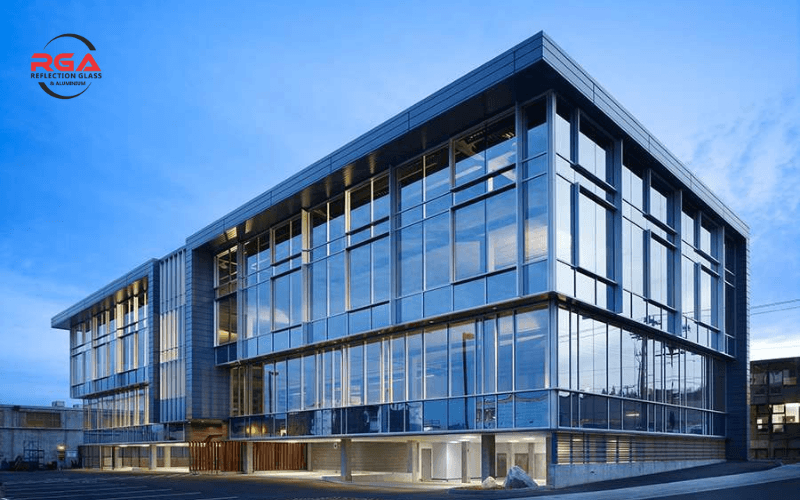
Modern architecture is constantly evolving, and one feature that has transformed the appearance and performance of commercial and residential buildings is the Curtain Wall Systems. From sleek skyscrapers to luxury office complexes, curtain walls have become a defining element of contemporary construction.
Thank you for reading this post, don't forget to subscribe!These innovative exterior wall systems not only enhance a building’s visual appeal but also improve energy efficiency, weather protection, and structural performance. As cities continue to grow vertically, architects and developers increasingly rely on curtain wall technology to create stunning, sustainable, and functional buildings.
In this comprehensive guide, we will explore everything you need to know about curtain wall systems, including their types, benefits, materials, installation process, maintenance requirements, and future trends.
What Are Curtain Wall Systems?
A curtain wall system is a non-structural exterior cladding system attached to a building’s frame. Unlike traditional walls, curtain walls do not carry the weight of the building. Instead, they are designed to resist environmental forces such as wind, rain, and temperature fluctuations while transferring these loads to the main structure.
Typically made from aluminum framing and glass panels, curtain wall systems create an elegant and modern façade while allowing abundant natural light into the building.

Key Characteristics of Curtain Wall Systems
- Non-load-bearing exterior walls
- Lightweight construction
- Excellent weather resistance
- Enhanced thermal insulation
- Modern aesthetic appearance
- Large glass surfaces for natural lighting
- Improved energy efficiency
Because of these advantages, curtain wall systems have become a preferred solution for commercial towers, airports, hotels, shopping malls, and institutional buildings.
Why Curtain Wall Systems Are Important in Modern Architecture
Today’s buildings must satisfy multiple requirements, including aesthetics, sustainability, safety, and efficiency. Curtain wall systems address all these demands simultaneously.
Architectural Flexibility
Architects can create visually striking designs with expansive glass façades, curved structures, and customized geometric patterns.
Increased Natural Light
Large glass panels allow daylight to penetrate deep into interior spaces, reducing reliance on artificial lighting and improving occupant comfort.
Energy Performance
Modern curtain wall systems include insulated glazing, thermal breaks, and advanced coatings that help regulate indoor temperatures and reduce energy consumption.
Weather Protection
Curtain walls provide a robust barrier against rain, wind, dust, and other environmental elements.
Types of Curtain Wall Systems
Understanding the different types of curtain wall systems helps builders select the most suitable option for a project.
Stick-Built Curtain Wall System
This traditional method involves assembling components directly on-site.
Advantages
- Cost-effective for smaller projects
- Flexible installation process
- Easier transportation of materials
Limitations
- Longer installation time
- Greater dependence on site conditions
- Higher labor requirements
Unitized Curtain Wall System
Unitized systems are manufactured in factory-controlled environments and delivered to the site as pre-assembled units.
Benefits
- Faster installation
- Superior quality control
- Reduced on-site labor
- Better weather sealing
This system is widely used for high-rise buildings due to its efficiency and consistency.
Semi-Unitized Curtain Wall System
Semi-unitized systems combine aspects of both stick-built and unitized approaches.
Features
- Partial factory assembly
- Faster installation than stick-built systems
- Moderate project costs
Structural Glazing Curtain Wall System
Structural glazing uses silicone sealants and specialized fixing methods to create seamless glass surfaces.
Advantages
- Clean, frameless appearance
- Enhanced aesthetic appeal
- Improved daylight penetration
Main Components of Curtain Wall Systems
Several components work together to ensure the performance and durability of curtain wall systems.
Aluminum Frame
The frame serves as the supporting structure and provides stability for glass panels and other infill materials.
Glass Panels
Glass is the most common infill material used in curtain wall systems.
Common Glass Types
- Tempered glass
- Laminated glass
- Insulated glass units (IGUs)
- Low-E coated glass
- Reflective glass
Anchors and Brackets
These components connect the curtain wall system to the building structure while allowing for movement and expansion.
Sealants and Gaskets
Sealants prevent water infiltration and air leakage while maintaining flexibility during temperature changes.
Thermal Breaks
Thermal breaks reduce heat transfer between interior and exterior surfaces, improving energy efficiency.
Benefits of Curtain Wall Systems
Curtain wall systems provide numerous advantages that contribute to their growing popularity.

Enhanced Aesthetic Appeal
Glass curtain walls create a sophisticated and modern appearance that enhances property value and brand image.
Improved Energy Efficiency
Advanced glazing technologies help reduce heating and cooling costs by minimizing heat transfer.
Better Natural Lighting
Natural daylight improves productivity, comfort, and overall well-being while reducing electricity consumption.
Reduced Building Weight
Compared to traditional masonry walls, curtain walls are significantly lighter, reducing structural loads.
Superior Weather Resistance
High-quality curtain wall systems effectively resist:
- Rainwater penetration
- Wind pressure
- UV exposure
- Temperature fluctuations
Noise Reduction
Insulated glass units provide excellent acoustic performance, making them ideal for urban environments.
Materials Used in Curtain Wall Systems
Material selection significantly influences the performance and lifespan of a curtain wall system.
Aluminum
Aluminum remains the most widely used framing material due to its:
- Lightweight properties
- Corrosion resistance
- Strength
- Design flexibility
Glass
Modern glass technologies offer various performance options, including solar control and thermal insulation.
Steel
Steel provides additional strength for large-span curtain wall applications.
Composite Materials
Advanced composites are increasingly used to improve energy performance and durability.
Curtain Wall System Installation Process
Proper installation is critical to ensuring long-term performance.
Step 1: Design and Engineering
Engineers develop detailed shop drawings and structural calculations based on project requirements.
Step 2: Fabrication
Components are manufactured according to precise specifications.
Step 3: Site Preparation
The building structure is inspected and prepared for installation.
Step 4: Frame Installation
Anchors and support brackets are installed before the aluminum framework is attached.
Step 5: Glass Installation
Glass panels are carefully positioned and secured.
Step 6: Sealing and Testing
All joints are sealed, followed by performance testing to verify air and water tightness.
Energy Efficiency and Sustainability
Sustainability has become a major priority in modern construction.
How Curtain Wall Systems Improve Sustainability
- Reduce energy consumption
- Increase daylight utilization
- Lower carbon emissions
- Support green building certifications
- Improve indoor environmental quality
Integration with Green Building Standards
Curtain wall systems often contribute to certifications such as:
- LEED
- BREEAM
- Green Star
- WELL Building Standard
Curtain Wall Systems in Commercial Buildings
Commercial properties benefit significantly from curtain wall technology.
Office Towers
Large glass façades create professional and prestigious environments.
Hotels
Curtain walls provide panoramic views and luxurious aesthetics.
Shopping Centers
Retail spaces benefit from increased visibility and natural lighting.
Airports
Modern airports utilize curtain walls to create spacious, bright, and welcoming environments.
Curtain Wall Systems for Residential Projects
While traditionally associated with commercial buildings, curtain wall systems are increasingly used in residential developments.
Luxury Apartments
Residents enjoy expansive views and abundant daylight.
Villas and Modern Homes
Contemporary homeowners appreciate the sleek appearance and open feel created by glass curtain walls.
Mixed-Use Developments
Curtain walls help unify architectural design across residential and commercial spaces.
Common Challenges and Solutions
Like any building system, curtain wall systems present certain challenges.
Water Leakage
Solution
- High-quality sealants
- Proper drainage design
- Regular inspections
Thermal Bridging
Solution
- Thermal breaks
- Energy-efficient glazing
Glass Breakage
Solution
- Tempered or laminated safety glass
- Regular maintenance inspections
Maintenance Costs
Solution
- Scheduled cleaning programs
- Preventive maintenance strategies
Maintenance of Curtain Wall Systems
Routine maintenance helps maximize system lifespan and performance.
Recommended Maintenance Tasks
- Glass cleaning
- Sealant inspection
- Hardware checks
- Water drainage testing
- Structural inspections
Maintenance Frequency
Most experts recommend professional inspections at least once per year.
Cost Factors of Curtain Wall Systems
Several variables influence project costs.
Major Cost Components
- Material selection
- Glass specifications
- Building height
- Installation complexity
- Project location
- Structural requirements
Although curtain wall systems may involve higher initial investments, long-term energy savings and durability often provide an excellent return on investment.
Future Trends in Curtain Wall Systems
Technology continues to reshape the curtain wall industry.
Smart Glass Integration
Glass can automatically adjust transparency based on sunlight levels.
Solar Curtain Walls
Photovoltaic panels integrated into curtain walls generate renewable energy.
Advanced Thermal Technologies
New insulation systems further improve energy performance.
Digital Design and BIM
Building Information Modeling (BIM) enables more precise design, fabrication, and installation processes.
Sustainable Materials
Manufacturers are increasingly adopting recycled and environmentally friendly materials.
How to Choose the Right Curtain Wall System
Selecting the ideal curtain wall system requires careful evaluation.
Consider These Factors
- Building type
- Climate conditions
- Energy goals
- Budget
- Architectural design
- Maintenance requirements
Working with experienced architects, engineers, and curtain wall specialists ensures optimal project outcomes.
Conclusion
Curtain wall systems have revolutionized modern architecture by combining aesthetics, performance, and sustainability into one highly effective building solution. Whether used in towering skyscrapers, luxury hotels, commercial centers, or contemporary residences, these systems provide exceptional benefits including energy efficiency, weather protection, natural lighting, and visual appeal.
As technology continues to advance, curtain wall systems will play an even greater role in creating sustainable and innovative buildings around the world. If you are planning a new construction project or upgrading an existing façade, investing in a high-quality curtain wall system can significantly enhance both the functionality and value of your property.
Ready to transform your building with modern curtain wall systems? Consult a professional façade specialist today and discover the best solution for your architectural vision.