Introduction
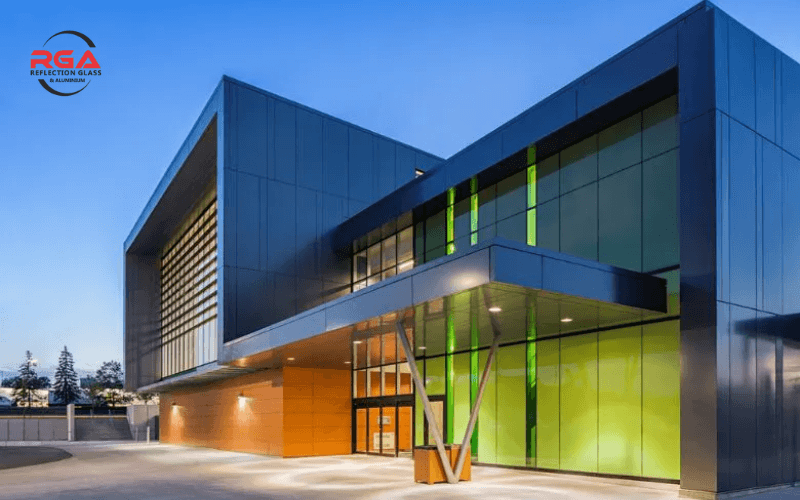
In today’s construction industry, aesthetics and durability go hand in hand. Property owners, architects, and builders are constantly searching for innovative materials that can enhance the appearance of a structure while offering long-term protection. One such solution that has gained immense popularity is ACP Cladding Works.
Thank you for reading this post, don't forget to subscribe!ACP, or Aluminum Composite Panel, has transformed the way modern buildings are designed. From commercial towers and shopping malls to residential villas and corporate offices, ACP cladding has become a preferred choice for creating visually appealing and weather-resistant exteriors.
Not only does ACP cladding improve the overall appearance of a building, but it also provides excellent insulation, durability, and low maintenance requirements. As a result, it has become an essential component in contemporary architecture.
This comprehensive guide explores everything you need to know about ACP Cladding Works, including its benefits, applications, installation process, maintenance, and why it remains one of the most sought-after facade solutions in the construction sector.
What Are ACP Cladding Works?
ACP Cladding Works involve the installation of Aluminum Composite Panels on the exterior or interior surfaces of buildings. These panels consist of two thin aluminum sheets bonded to a non-aluminum core, creating a lightweight yet highly durable material.
The purpose of ACP cladding is to provide a protective and decorative layer to a structure. It enhances architectural appeal while safeguarding buildings against harsh environmental conditions.
Components of ACP Panels
ACP panels generally consist of:
- Top aluminum layer
- Core material
- Bottom aluminum layer
- Protective coating
- Decorative finish
The combination of these elements results in a strong and versatile cladding material suitable for various applications.
Why ACP Cladding Has Become So Popular
The growing demand for ACP Cladding Works can be attributed to numerous advantages offered by the material.

Modern Appearance
ACP panels provide a sleek and contemporary look that instantly upgrades the visual appeal of any building.
Lightweight Structure
Compared to traditional construction materials, ACP panels are significantly lighter, reducing structural load and simplifying installation.
Excellent Durability
ACP cladding is designed to withstand:
- Rain
- UV rays
- Dust
- Wind
- Temperature fluctuations
This makes it suitable for a wide range of climates.
Cost-Effective Solution
ACP panels offer a premium appearance without the high costs associated with stone, marble, or other facade materials.
Key Benefits of ACP Cladding Works
Enhanced Building Protection
ACP cladding acts as a protective shield for the building envelope, reducing exposure to environmental damage.
Superior Weather Resistance
One of the biggest advantages of ACP Cladding Works is their ability to resist harsh weather conditions.
Benefits include:
- Water resistance
- UV protection
- Corrosion resistance
- Heat resistance
Improved Energy Efficiency
ACP systems can contribute to thermal insulation, helping maintain indoor temperatures and reducing energy consumption.
Low Maintenance Requirements
Unlike traditional facades that require frequent repairs and repainting, ACP surfaces are easy to clean and maintain.
Wide Range of Design Options
ACP panels are available in various:
- Colors
- Textures
- Finishes
- Patterns
This allows architects to create unique and visually attractive structures.
Types of ACP Panels Used in Cladding Works
Different projects require different panel specifications. Understanding the available types helps in selecting the right solution.
PVDF ACP Panels
PVDF-coated panels are highly durable and suitable for exterior applications.
Features
- Excellent weather resistance
- Long-lasting color retention
- UV protection
Polyester ACP Panels
These panels are commonly used for interior applications.
Features
- Attractive finish
- Affordable pricing
- Good durability indoors
Fire-Retardant ACP Panels
Safety is a major concern in modern construction.
Benefits
- Reduced fire risk
- Compliance with building regulations
- Enhanced occupant safety
Wooden Finish ACP Panels
These panels replicate the appearance of natural wood while offering greater durability.
Stone Finish ACP Panels
Ideal for achieving the luxurious appearance of natural stone without the associated weight and maintenance.
Applications of ACP Cladding Works
ACP cladding is highly versatile and can be used across multiple sectors.
Commercial Buildings
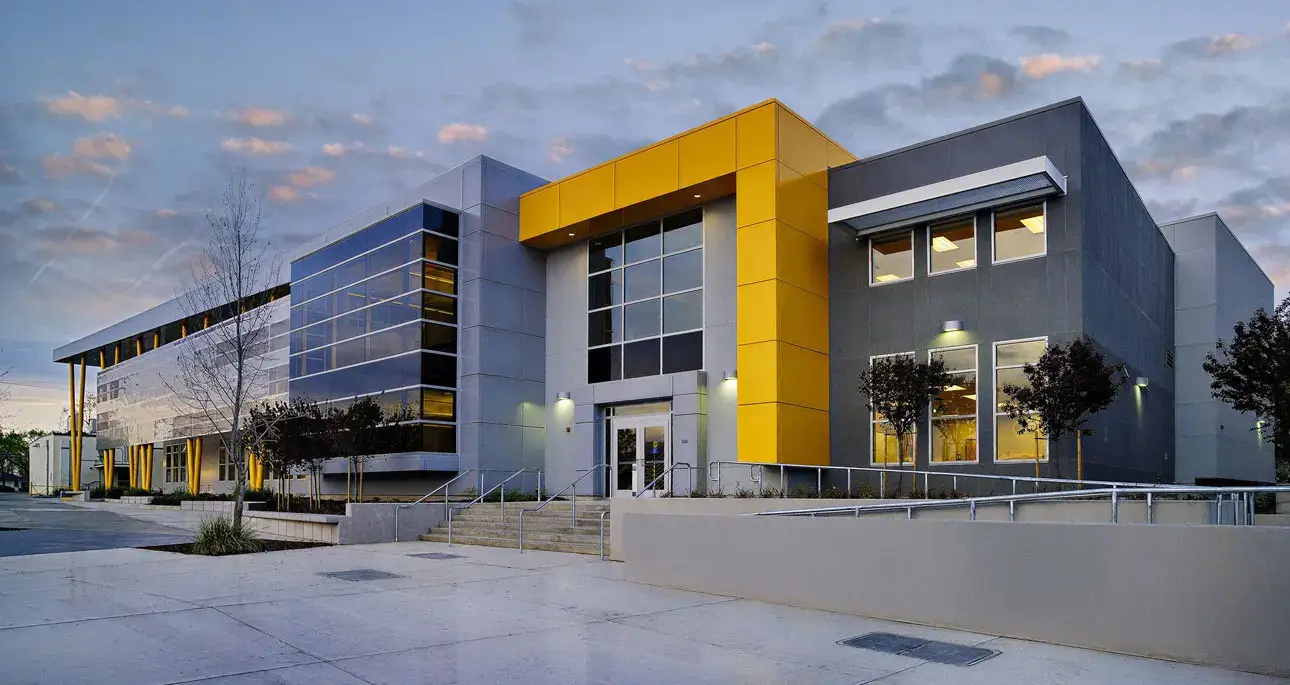
Commercial properties often use ACP panels to create impressive facades.
Examples include:
- Office buildings
- Business centers
- Corporate headquarters
Shopping Malls
Retail establishments use ACP cladding to create attractive storefronts and modern architectural designs.
Residential Projects
Homeowners increasingly choose ACP cladding for:
- Villas
- Apartments
- Luxury residences
Hotels and Hospitality Projects
ACP panels help create elegant and sophisticated exteriors for hotels and resorts.
Educational Institutions
Schools and universities benefit from durable and low-maintenance ACP solutions.
Healthcare Facilities
Hospitals and clinics utilize ACP cladding for its clean appearance and durability.
ACP Cladding Works Installation Process
Proper installation is crucial for achieving long-lasting performance.

Site Inspection
The process begins with a thorough assessment of the building structure.
Key considerations include:
- Surface condition
- Structural integrity
- Design requirements
Design and Planning
Architects and engineers prepare detailed drawings and specifications.
Framework Installation
A supporting framework is installed to securely hold the ACP panels.
Panel Fabrication
Panels are cut and shaped according to project requirements.
ACP Panel Installation
The fabricated panels are fixed onto the framework using specialized techniques.
Quality Inspection
Final inspections ensure proper alignment, finishing, and safety compliance.
Important Factors to Consider Before Choosing ACP Cladding
Selecting the right ACP system requires careful evaluation.
Project Requirements
Consider:
- Building type
- Location
- Environmental conditions
Fire Safety Standards
Always ensure compliance with local fire regulations.
Panel Thickness
Different projects may require varying panel thicknesses based on performance expectations.
Surface Finish
Choose a finish that complements the overall architectural design.
Budget Considerations
Balance aesthetic goals with project budget limitations.
ACP Cladding Works vs Traditional Cladding Materials
ACP vs Stone Cladding
| Feature | ACP Cladding | Stone Cladding |
|---|---|---|
| Weight | Lightweight | Heavy |
| Installation | Fast | Time-consuming |
| Maintenance | Low | Moderate |
| Cost | Affordable | Expensive |
ACP vs Glass Facades
ACP offers better impact resistance and lower maintenance costs in many applications.
ACP vs Wood Cladding
ACP panels provide a similar aesthetic while eliminating concerns such as termite damage and rotting.
Maintenance Tips for ACP Cladding
Regular maintenance helps maximize lifespan and appearance.
Cleaning Recommendations
Use:
- Mild detergent
- Soft cloth
- Clean water
Avoid abrasive chemicals that may damage the panel surface.
Routine Inspections
Periodic inspections help identify:
- Loose fittings
- Surface damage
- Sealant deterioration
Timely Repairs
Addressing minor issues early can prevent costly future repairs.
Common Design Trends in ACP Cladding Works
Architectural trends continue to evolve, and ACP remains at the forefront of modern design.

Metallic Finishes
Popular for corporate and commercial projects.
Wood Texture Panels
Perfect for combining natural aesthetics with modern durability.
Geometric Facades
Creative panel arrangements create visually dynamic building exteriors.
Mixed Material Designs
ACP is often combined with:
- Glass
- Stone
- Steel
- Wood accents
This creates striking architectural contrasts.
Environmental Benefits of ACP Cladding
Sustainability has become a key focus in modern construction.
Recyclable Material
Many ACP panels can be recycled, reducing environmental impact.
Energy Savings
Improved insulation contributes to lower energy consumption.
Reduced Construction Waste
Prefabricated ACP systems generate less site waste compared to traditional materials.
Why Businesses Prefer ACP Cladding Works
Business owners often choose ACP cladding because it delivers both functionality and visual appeal.
Advantages include:
- Strong brand image
- Modern appearance
- Long-term durability
- Minimal maintenance
- Cost efficiency
For commercial properties, the exterior appearance can significantly influence customer perception, making ACP cladding a valuable investment.
Future of ACP Cladding Works
The demand for ACP Cladding Works continues to grow as architectural trends shift toward sustainable, lightweight, and visually appealing construction materials.
Future developments may include:
- Advanced fire-resistant cores
- Smart facade integration
- Enhanced energy efficiency
- Innovative textures and finishes
As technology advances, ACP systems are expected to become even more versatile and environmentally friendly.
Conclusion
ACP Cladding Works have revolutionized modern architecture by offering a perfect balance of beauty, durability, and performance. Whether used in commercial complexes, residential properties, hotels, or corporate offices, ACP cladding provides a stylish and cost-effective facade solution that enhances both appearance and functionality.
With benefits such as weather resistance, lightweight construction, design flexibility, and low maintenance requirements, ACP remains one of the most trusted cladding materials in the construction industry.
If you are planning a new construction project or renovating an existing building, investing in professional ACP Cladding Works can significantly improve the value, protection, and visual appeal of your property.