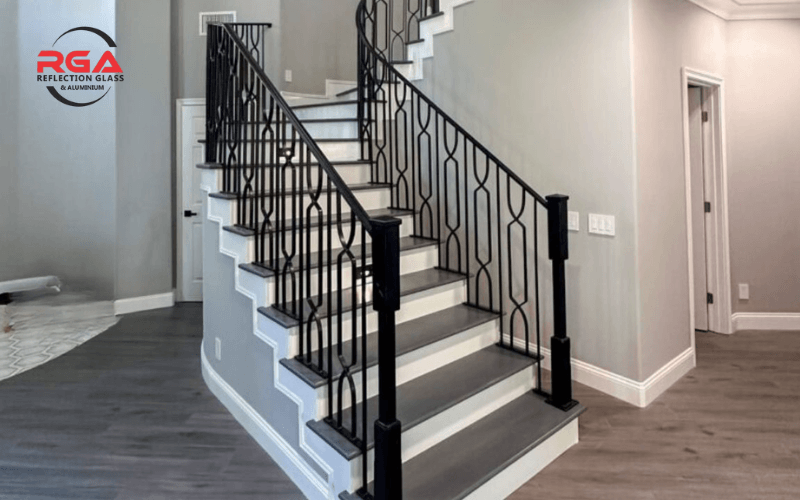
Handrails & Metal Works: Enhancing Safety, Strength, and Style
Introduction
In modern construction and architectural design, safety and aesthetics go hand in hand. Whether it’s a residential property, commercial building, industrial facility, or public infrastructure, handrails and metal works play a crucial role in ensuring security while adding visual appeal. From elegant staircase railings to durable metal gates, these structures are designed to provide support, protection, and long-lasting performance.
Thank you for reading this post, don't forget to subscribe!Today, property owners are increasingly investing in high-quality Handrails & Metal Works to improve both functionality and appearance. With advancements in fabrication techniques and modern design trends, metal works are no longer just practical additions—they have become essential design elements that enhance the value of any property.
This comprehensive guide explores everything you need to know about Handrails & Metal Works, including their benefits, types, materials, applications, installation process, maintenance requirements, and future trends.
Understanding Handrails & Metal Works
Handrails and metal works encompass a wide range of fabricated metal structures used in construction and interior or exterior design.
What Are Handrails?
Handrails are support structures installed alongside staircases, balconies, ramps, terraces, walkways, and platforms. Their primary purpose is to provide safety and stability while preventing accidents.
What Is Metal Work?
Metal work refers to the process of designing, fabricating, and installing metal structures for various applications. These include:
- Stair railings
- Gates
- Fences
- Balustrades
- Pergolas
- Window grills
- Metal partitions
- Decorative metal panels
- Structural frameworks
Together, Handrails & Metal Works contribute significantly to both safety and architectural beauty.
Why Handrails & Metal Works Are Important
Modern buildings require features that offer durability, security, and visual appeal. Handrails & Metal Works fulfill all these requirements effectively.

Enhanced Safety
One of the primary reasons for installing handrails is to reduce the risk of slips and falls.
Benefits include:
- Improved support on staircases
- Better accessibility for elderly individuals
- Enhanced mobility assistance
- Increased safety in public areas
Improved Property Value
Well-designed metal works enhance the appearance of a property, making it more attractive to buyers and visitors.
Long-Term Durability
Metal structures are known for their exceptional strength and resistance to wear and tear.
Low Maintenance
Compared to wood and other materials, metal requires minimal maintenance while maintaining its appearance for years.
Types of Handrails
Different environments require different types of handrails.
Stainless Steel Handrails
Stainless steel handrails are among the most popular choices due to their sleek appearance and corrosion resistance.
Advantages
- Rust-resistant
- Modern look
- Easy maintenance
- Long lifespan
Common Applications
- Residential staircases
- Shopping malls
- Office buildings
- Hospitals
- Hotels
Aluminum Handrails
Aluminum handrails are lightweight yet durable.
Benefits
- Corrosion resistant
- Lightweight
- Cost-effective
- Easy installation
Glass and Metal Handrails
Combining glass with metal creates a contemporary appearance.
Features include:
- Unobstructed views
- Elegant aesthetics
- Modern architectural appeal
Wrought Iron Handrails
Wrought iron handrails are known for their decorative designs and timeless elegance.
Best suited for:
- Luxury villas
- Heritage buildings
- Traditional homes
Popular Metal Work Applications
Handrails are only one aspect of metal fabrication. Metal works include numerous applications across residential and commercial projects.
Metal Gates
Metal gates offer security and style.
Types of Gates
- Sliding gates
- Swing gates
- Automatic gates
- Decorative gates
Metal Fences
Metal fencing helps define property boundaries while enhancing security.
Advantages include:
- Strong protection
- Attractive designs
- Long-lasting performance
Balcony Railings
Balcony railings provide safety while improving exterior aesthetics.
Popular materials include:
- Stainless steel
- Aluminum
- Wrought iron
Pergolas and Outdoor Structures
Metal pergolas are becoming increasingly popular in modern landscaping.
Benefits:
- Weather resistance
- Stylish appearance
- Low maintenance
Decorative Metal Panels
Decorative panels are used in:
- Interior partitions
- Facade cladding
- Garden screens
- Feature walls
Materials Used in Handrails & Metal Works
Selecting the right material is essential for durability and performance.
Stainless Steel
Stainless steel remains one of the most preferred materials.
Key Features
- Corrosion resistant
- Attractive finish
- Strong and durable
- Suitable for indoor and outdoor use
Mild Steel
Mild steel is widely used for custom fabrication.
Advantages:
- Cost-effective
- Easy to fabricate
- Highly versatile
However, protective coatings are required to prevent rust.
Aluminum
Aluminum offers a combination of strength and lightweight construction.
Ideal for:
- Balconies
- Outdoor railings
- Commercial buildings
Wrought Iron
Wrought iron is valued for its decorative potential.
Common uses:
- Ornamental gates
- Luxury stair railings
- Garden fencing
Design Trends in Modern Handrails & Metal Works
The demand for stylish and functional metal structures continues to grow.
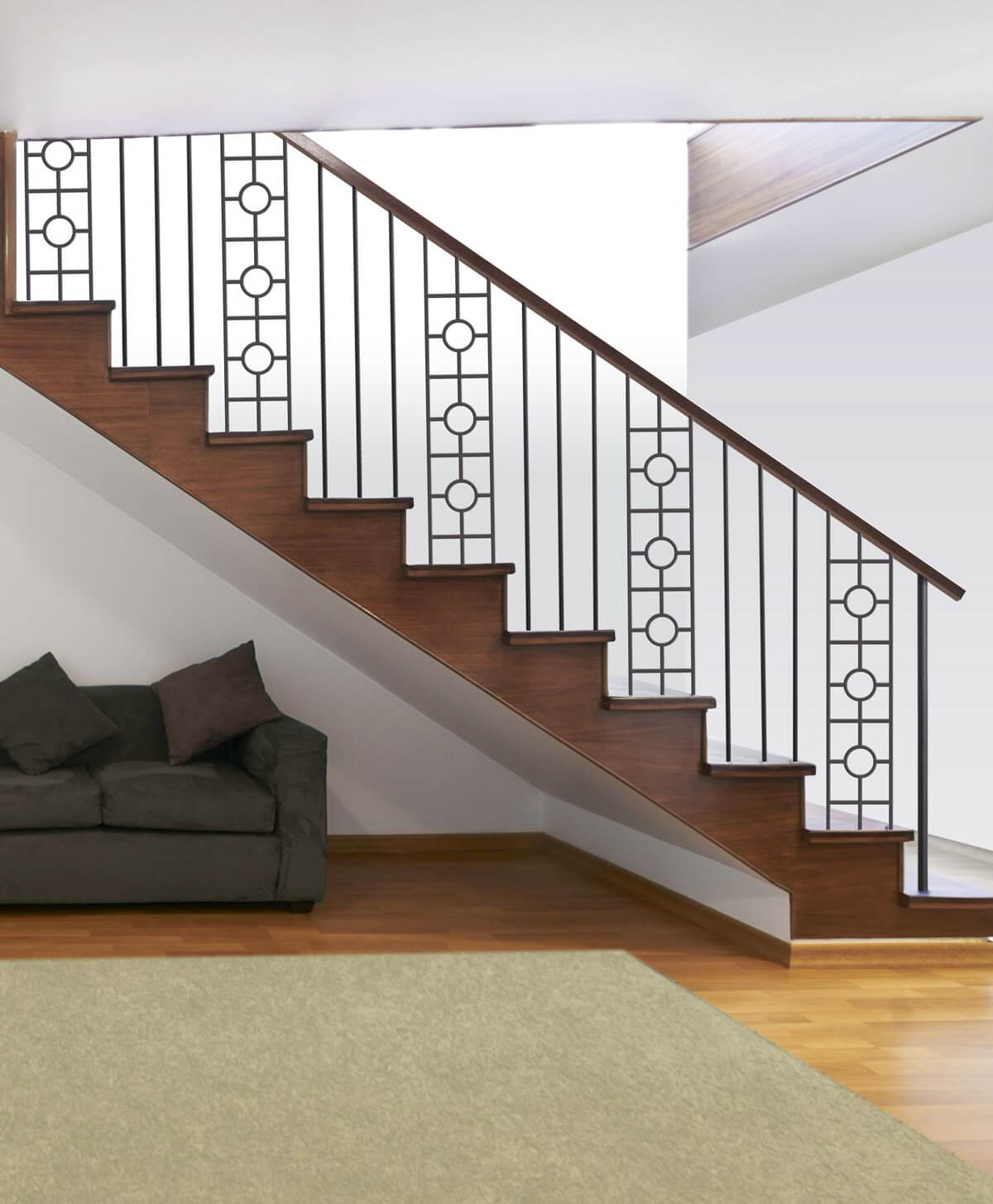
Minimalist Designs
Clean lines and simple structures dominate contemporary architecture.
Characteristics include:
- Sleek profiles
- Neutral finishes
- Open spaces
Glass Integration
Glass panels combined with metal frames create a sophisticated appearance.
Matte Black Finishes
Matte black metal works have become increasingly popular due to their modern and luxurious look.
Custom Fabrication
Property owners now prefer personalized designs tailored to their specific needs.
Benefits:
- Unique appearance
- Better space utilization
- Brand identity enhancement
The Fabrication Process
Professional fabrication ensures quality and precision.
Step 1: Consultation and Design
Experts assess project requirements and develop design concepts.
Step 2: Material Selection
Suitable materials are selected based on:
- Budget
- Environment
- Design preferences
Step 3: Cutting and Fabrication
Advanced machinery is used to cut and shape metal components.
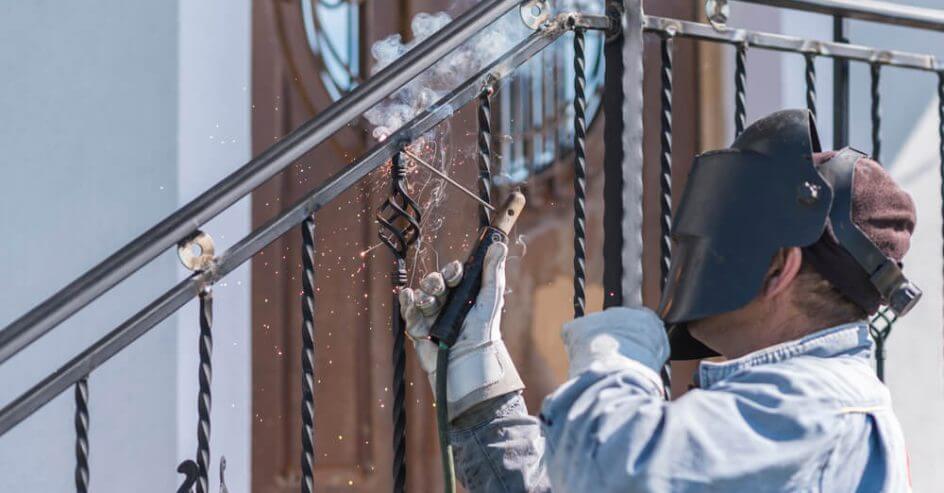
Step 4: Welding and Assembly
Individual components are joined together to create the final structure.
Step 5: Surface Finishing
Finishing options may include:
- Powder coating
- Polishing
- Painting
- Brushing
Step 6: Installation
Professional installation ensures safety and structural integrity.
Benefits of Professional Handrails & Metal Works Services
Hiring experienced professionals provides several advantages.
Superior Quality
Professional fabricators use premium materials and advanced techniques.
Compliance with Safety Standards
Properly installed handrails meet industry regulations and building codes.
Custom Solutions
Experts can create tailored designs that suit specific requirements.
Long-Term Cost Savings
High-quality metal works reduce repair and replacement costs.
Maintenance Tips for Handrails & Metal Works
Proper maintenance extends the lifespan of metal structures.
Regular Cleaning
Remove dirt and debris using mild soap and water.
Inspect for Damage
Check periodically for:
- Rust spots
- Loose fittings
- Surface scratches
Apply Protective Coatings
Protective finishes help prevent corrosion and environmental damage.
Schedule Professional Inspections
Annual inspections can identify potential issues before they become major problems.
Choosing the Right Contractor
Selecting a reliable contractor is essential for project success.
Consider Experience
Look for companies with proven expertise in Handrails & Metal Works.
Review Previous Projects
A strong portfolio demonstrates craftsmanship and reliability.
Check Customer Reviews
Positive reviews indicate customer satisfaction and quality service.
Verify Certifications
Ensure compliance with local construction and safety regulations.
Future of Handrails & Metal Works
Technological advancements continue to transform the industry.

Smart Metal Systems
Automated gates and integrated access control systems are becoming more common.
Sustainable Materials
Eco-friendly manufacturing processes are gaining popularity.
Advanced Fabrication Technology
Laser cutting and CNC machining enable greater precision and design flexibility.
Innovative Finishes
Modern coatings provide improved durability and aesthetic appeal.
Conclusion
Handrails & Metal Works are essential components of modern construction, offering the perfect combination of safety, strength, and style. From elegant staircase railings and decorative gates to durable fencing and custom metal structures, these installations contribute significantly to the functionality and appearance of any property.
Investing in professionally designed and fabricated Handrails & Metal Works ensures long-lasting performance, enhanced safety, and increased property value. Whether you are building a new property or upgrading an existing one, choosing high-quality metal solutions can make a lasting difference.
Call to Action
Looking for premium Handrails & Metal Works for your residential, commercial, or industrial project? Partner with experienced professionals who can deliver custom-designed, durable, and visually stunning metal solutions tailored to your needs. Contact a trusted metal fabrication specialist today and transform your space with quality craftsmanship.